
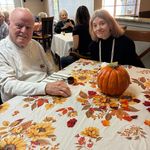
Dementia visits during the holidays can be some of the most meaningful moments families share. Children come home, grandchildren visit, familiar music fills the room, and traditions remind us of years gone by.
But when someone we love is living with dementia, holiday visits can feel different. We may wonder whether Mom will recognize everyone, whether Dad will enjoy the family gathering, or whether bringing the grandchildren will be too much.
Sometimes we approach these visits hoping to recreate the holidays we remember. But perhaps the greatest gift we can give someone living with dementia isn’t recreating the past. It’s helping them feel loved, included, and comfortable in the present.
A meaningful visit doesn’t have to be elaborate. It simply needs to begin with the person.
Planning Dementia Visits Around the Holidays
Holiday schedules can become crowded with meals, family gatherings, religious services, and visits from relatives. For someone living with dementia, all that activity may feel overwhelming, even when surrounded by people they love.
Before planning a visit, consider what time of day your loved one is most comfortable. Are mornings generally better? Do they enjoy company after lunch? Would a smaller gathering be easier than having everyone arrive at once?
If your loved one lives in a memory care community, talk with the care team about their daily routines and preferences.
Sometimes the most meaningful Christmas visit happens on December 23, when the environment is quieter and everyone can relax.
The holiday doesn’t have to happen on a particular day to be meaningful.
Bring Something Familiar, but Don’t Expect a Particular Response
Traditions can be wonderful opportunities for connection. A favorite Christmas song, a family photograph, a familiar recipe, or a holiday decoration may invite conversation or simply bring enjoyment.
The key is to offer the experience without expecting a specific reaction.
| A familiar interest | A holiday visit idea | A gentle approach |
|---|---|---|
| Holiday music | Play a favorite Christmas song | Listen together without asking them to remember the words |
| Family photographs | Bring a few pictures from past celebrations | Share the story rather than asking them to identify everyone |
| Baking and cooking | Bring a familiar holiday treat | Enjoy the taste or aroma together, following dietary guidance |
| Decorating | Bring a favorite ornament | Invite them to hold it or help choose where it belongs |
| Faith and traditions | Share a familiar prayer, reading, or carol | Let them participate in whatever way feels comfortable |
The goal isn’t to test someone’s memory. It’s to create an opportunity for connection.
And sometimes the best holiday activity is simply sitting together, holding hands, and enjoying the company.
Help Children and Grandchildren Feel Comfortable Visiting
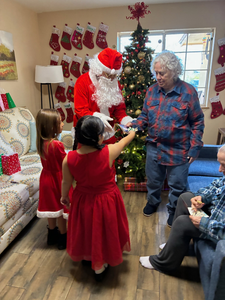
For children, visiting a grandparent living with dementia can be confusing and uncomfortable. Grandma may repeat a question, call someone by the wrong name, or seem less interested in an activity they once enjoyed together. During holiday dementia visits, a little preparation can help children feel more comfortable and confident spending time with their grandparents.
A little preparation can make the experience easier for everyone.
Before the visit, explain in simple, age-appropriate language that dementia can change how someone remembers and communicates, but it doesn’t mean they no longer appreciate love and companionship.
Encourage children to introduce themselves naturally rather than asking, “Grandma, do you remember me?”
They might say, “Hi Grandma, it’s Sophie! I’m so happy to see you.”
Give children something comfortable to share, such as a drawing, a holiday card, or a favorite song. And don’t require hugs or physical affection from either person.
A short, enjoyable visit may create a better experience than a long gathering where everyone feels pressure to participate.
Remember That Less Can Be More
The holidays can bring competing conversations, music, television, decorations, and people moving from room to room.
What feels festive to one person may feel confusing or exhausting to someone living with dementia.
Pay attention to how your loved one responds.
- Keep the number of visitors manageable.
- Reduce competing noise when possible.
- Allow time for responses without rushing.
- Offer a quieter space when the gathering becomes busy.
- Be willing to change plans if the person seems uncomfortable.
If your loved one doesn’t want to open presents, participate in a family photograph, or sit through a holiday meal, that’s okay.
We don’t need to make the moment happen exactly as we imagined it.
Sometimes loving someone means allowing the moment to unfold differently.
Be Their Safe Place
Perhaps the most important thing we can bring to a holiday visit isn’t a gift, a photograph, or a favorite dessert.
It’s ourselves.
For someone living with dementia, the world can sometimes feel unfamiliar, even in familiar surroundings. Conversations may move too quickly. Faces may be difficult to place. Expectations may be hard to understand.
We can help by being a calm, reassuring presence.
Sit beside them. Speak warmly. Listen without correcting every detail. Respond to their feelings rather than insisting on the facts.
If they become anxious or uncertain, we don’t always need to explain everything or solve the problem immediately.
Sometimes we simply need to be the person who helps them feel safe.
A Thoughtful Goodbye
Leaving can be one of the more emotional parts of a visit, particularly during the holidays.
If goodbyes are difficult, work with a familiar caregiver to find an approach that feels comfortable. You might leave while your loved one is enjoying a favorite activity or arrange for someone they trust to remain with them.
Avoid making promises about your next visit unless you’re confident you can keep them.
And remember that it’s natural to feel sadness when family traditions change. You can be grateful for the time together while still missing the way things used to be.
Both feelings can exist at once.
Common Question
Is a holiday visit worthwhile if my loved one won’t remember it?
Absolutely, a visit can still be meaningful.
We sometimes measure experiences by the memories they create. But someone living with dementia can enjoy companionship, laughter, music, affection, and a sense of belonging even if they cannot later recall the occasion.
The experience matters while it is happening.
A smile shared over a Christmas carol, a grandchild sitting beside Grandma, or a quiet moment holding hands doesn’t lose its meaning simply because it may not be remembered tomorrow.
Making Moments, Memory Optional
At Vista Living Care, we believe meaningful relationships remain at the heart of life with dementia. We believe dementia visits should be about more than remembering names, dates, or past celebrations. They’re opportunities to experience love, belonging, and connection in the present.
Our memory care homes in Santa Fe and Las Cruces are places where families are encouraged to remain part of everyday life, sharing experiences, traditions, and moments of connection.
As the holidays approach, we encourage families to focus less on making everything perfect and more on helping their loved ones feel comfortable, included, and loved.
Because the greatest gift we can offer someone living with dementia may be the simplest one of all: being their safe place.
To learn more about Vista Living Care or arrange a visit, call 505 578 3154 or contact Vista Living Care.
Making Moments, Memory Optional.